Legacy Systems Aren’t Going Anywhere — That’s Why Your Browser Has to Do More
July 2025
For decades, financial institutions and other enterprise organizations have built their operations on legacy and on-prem applications. Core banking platforms. Mainframes. Thick-client software still running mission-critical workflows.
These systems aren’t moving to the cloud anytime soon — and yet, today’s employees expect fast, seamless, browser-native experiences that match the pace of modern SaaS.
That’s the gap the HERE Enterprise Browser is built to close.
A browser that works with legacy
Traditional browsers are built for the web. But HERE is built for reality — and reality includes legacy.
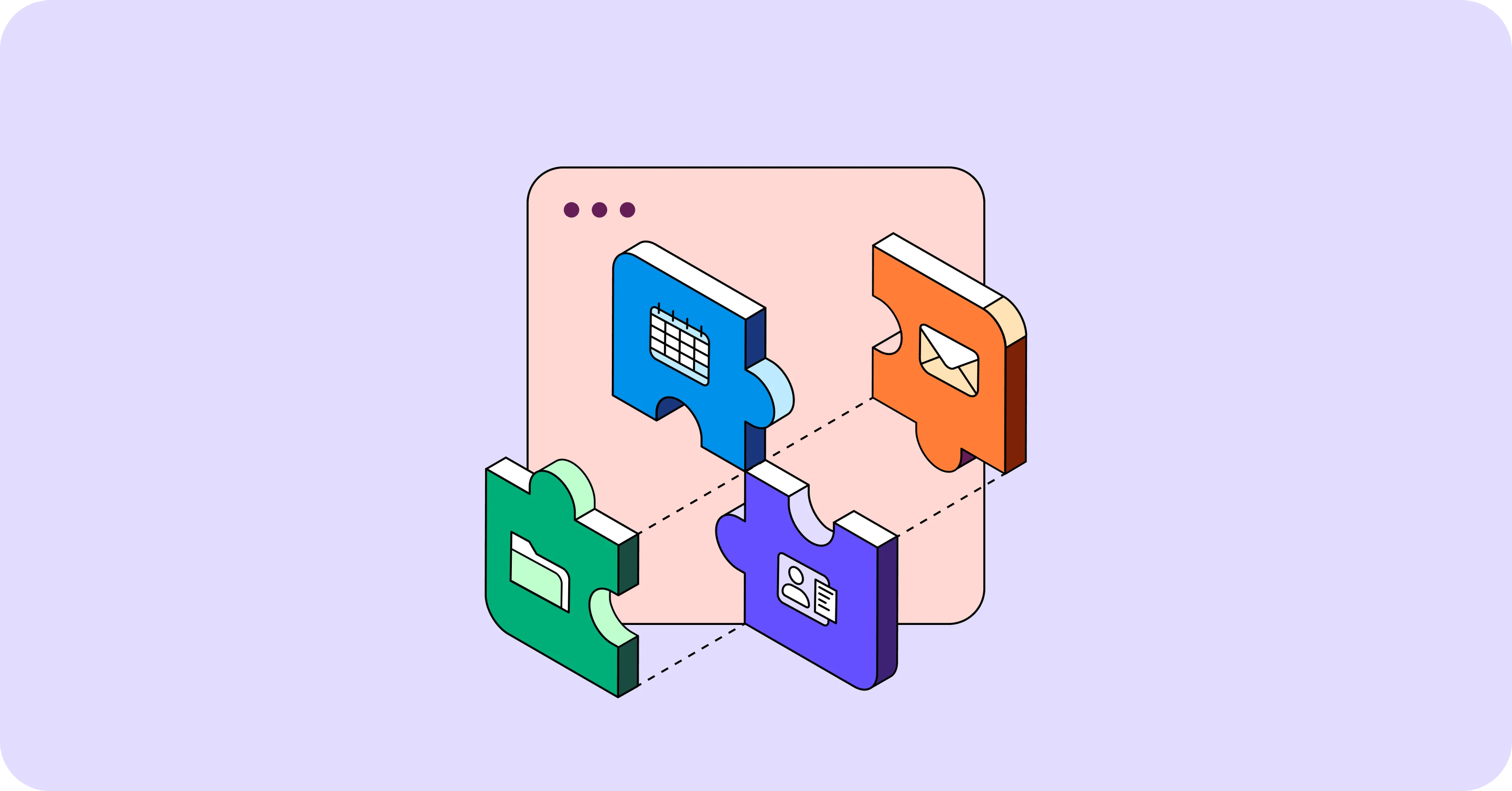
With HERE, your legacy and native apps don’t have to live on the sidelines. They can be embedded directly into the browser-based experience your teams already use every day:
- Add legacy and installed apps to your content directory
- Snap native windows into your HERE workspace
- Automatically launch and restore app state across sessions
- Associate legacy apps with Supertabs to streamline workflows
No refactoring. No replatforming. Just real results.
A browser that talks to installed software
HERE is the only browser that natively connects to both web apps and locally installed applications.
Our lightweight, configurable Adaptors let you bridge the gap between old and new — connecting directly to internal web apps, desktop software, mainframes, and command-line tools.
With Adaptors, you can:
- Wrap legacy functionality in a modern UI
- Embed legacy workflows next to SaaS dashboards and AI copilots
- Modernize the experience — without touching the system of record
HERE gives you the power to rethink the interface, without rebuilding the infrastructure.
From transformation projects to real impact
Enterprise transformation initiatives often stall at the legacy layer. Back-end systems can’t keep up, and front-end innovation gets blocked.
HERE helps you break through that wall — by modernizing the experience without rewriting the system.
With HERE, you can:
- Deliver unified, browser-based experiences across the organization – even when the back-end spans decades
- Automate legacy workflows and bring them into today’s productivity stack
- Apply granular access and policy controls — across legacy and modern apps alike
The result? Less context-switching. More productivity. And a future-ready employee experience that doesn't depend on a years-long modernization project.
Why 90% of the world’s leading financial institutions trust HERE
No industry has a more complex, compliance-heavy technology landscape than financial services. And no other browser is designed to meet it like HERE.
Over 90% of global financial institutions trust HERE because it doesn’t just support what’s new — it elevates what already exists.
If your digital transformation depends on legacy systems you can’t replace, it’s time to stop waiting for the future.
It’s time to bring those systems forward — with a browser that knows how.
Download The Enterprise Browser for Digital Transformation CIO Report to take a deeper dive into how HERE addresses the unique challenges CIOs face in today’s enterprise technology landscape.
Schedule a discovery call today to see HERE in action.
Suggested additional reading
The AI Enterprise Browser: Inside HERE Studio & AI Center
See how HERE Enterprise Browser is becoming a full AI-powered enterprise workspace, including a live look at HERE Studio, the AI app builder built right inside the browser.
Read more -->
HERE Studio. We Told the Whole Company Anything Is Possible.
An inside look at the HERE Studio Global Hackathon 2026. 108 people, three continents, one day. No engineering experience required.
Read more -->
The Reason Your AI isn't Scaling isn't the AI
HERE will be at the Gartner Application Innovation & Business Solutions Summit, Sept 14-15 in London. Stop by our booth — here’s why this conversation matters right now.
Read more -->